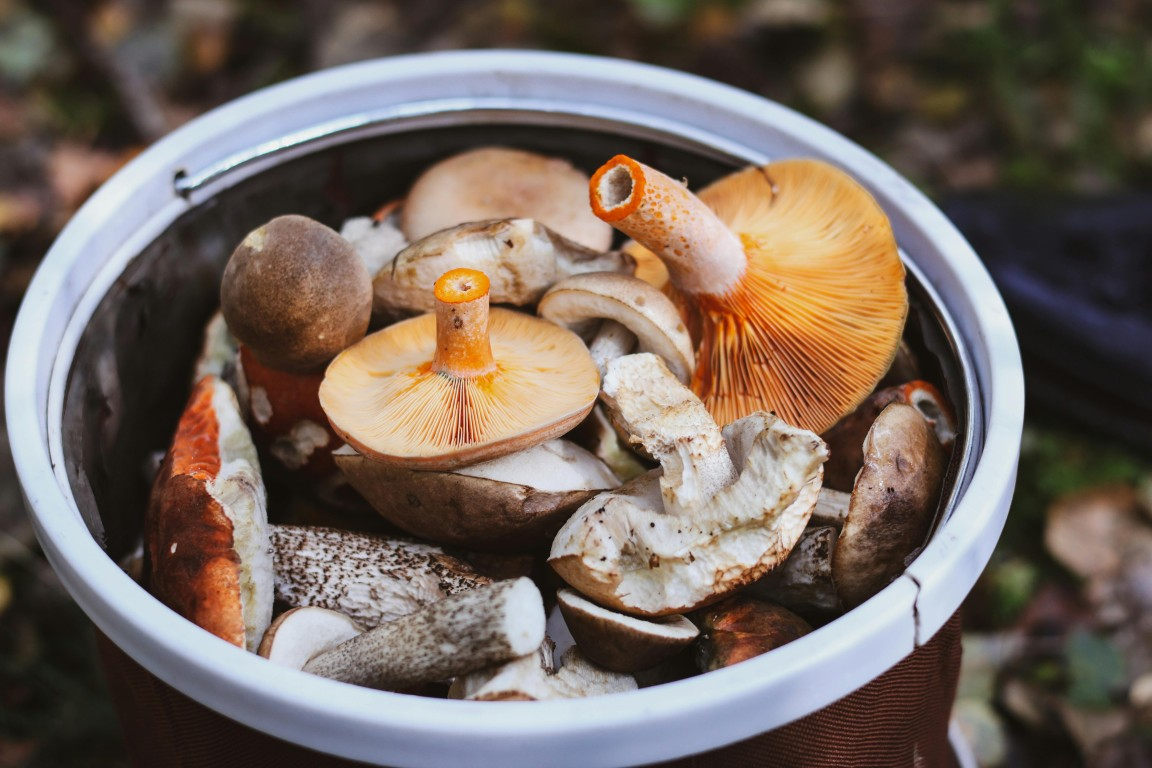
If you’ve scrolled through health feeds lately, you’ve probably seen functional mushrooms positioned as a cure-all. The truth is messier—and more interesting. Research shows that functional mushrooms can meaningfully support inflammation management and immune function, but they’re not magic bullets. Here’s what the science actually says about how these compounds work, which ones matter, and what realistic expectations should be.
Functional mushrooms contain bioactive compounds that help regulate chronic inflammation through multiple pathways, but they work best as part of a comprehensive health strategy, not as standalone treatments.
What Actually Is a Functional Mushroom (and Why It Matters)
Before we talk about what functional mushrooms do, let’s nail down what they are. Functional mushrooms are fungi like reishi, cordyceps, shiitake, and lion’s mane that contain bioactive compounds—chemicals that actively influence how your body functions. These aren’t the button mushrooms in your pasta. They’re typically consumed as extracts, powders, or supplements, though some (like shiitake) work fine as food.
The key compounds driving the hype are beta-glucans (complex carbohydrates), triterpenoids, phenolic compounds, and bioactive peptides. Each of these operates through different mechanisms in your body. That’s important because it means mushrooms don’t work like a single-dose drug—they’re multi-target regulators.
Here’s what separates functional from medicinal: functional mushrooms are legal, available in stores, and cookable. Medicinal mushrooms are heavily regulated, prescription-only in some places, and reserved for clinical research. This article focuses on the functional category available to you right now.
How Functional Mushrooms Actually Reduce Inflammation
Chronic inflammation underlies most modern disease—heart disease, autoimmune disorders, metabolic syndrome, neurodegenerative disease. This is where functional mushrooms show real promise.
The mechanism isn’t simple. Research shows that mushroom bioactives regulate inflammatory signaling networks, particularly NF-κB and MAPK cascades, while activating Nrf2-mediated antioxidant responses. Translation: instead of bluntly suppressing all inflammation (which your immune system actually needs), these compounds help recalibrate your inflammatory response back to normal levels.
Reishi, for instance, contains polysaccharides that specifically reduce joint inflammation—useful if you’re managing rheumatoid arthritis. Chaga and cordyceps have shown anti-inflammatory benefits across different tissue types. This specificity matters. Different mushrooms activate different immune pathways, which is why one size doesn’t fit all.
Functional mushrooms work as multi-target regulators that help recalibrate your inflammatory response rather than indiscriminately suppressing immunity.
Species That Actually Have Research Behind Them
Not all functional mushrooms are equally researched. Here’s which ones have actual evidence:
- Reishi (Ganoderma lucidum)—The most studied. Polysaccharides show measurable anti-inflammatory and immunomodulatory effects, particularly useful for autoimmune conditions and stress management.
- Shiitake (Lentinula edodes)—Strong research on immune support and modulation of inflammatory pathways. Unlike reishi, it’s common food, so bioavailability is proven through actual consumption.
- Cordyceps—Early research suggests potential for athletic performance, cardiovascular health, and inflammation markers, though results are mixed and more research is needed.
- Chaga (Inonotus obliquus)—Potent antioxidant and anti-inflammatory properties in studies, but wild populations are threatened. If you use it, verify sourcing or skip it.
- Lion’s Mane—Limited inflammation data; stronger evidence for neurological support, which is tangential to inflammation but worth noting.
The honest take: reishi and shiitake have the deepest research. The others show promise but need more human studies. Don’t buy a mushroom because it’s trendy—buy it because there’s evidence for your specific use case.
The Real Limitations (Don’t Skip This Part)
Here’s where supplement marketing falls apart. Functional mushrooms cannot cure disease. No mushroom supplement is a proven cure for any condition. They can support symptom management when combined with other interventions—medication, lifestyle, diet—but claiming they replace medical treatment is dangerous.
Three practical problems exist:
- Bioavailability. Your body can’t absorb everything in a mushroom. Extract quality and preparation method matter enormously. A cheap powder from a random brand might be inert.
- Standardization. Unlike pharmaceuticals, mushroom supplements aren’t tightly regulated. One bottle might contain 10x the active compounds of another, and you’d never know.
- Individual response. Your genetics, gut health, and current immune status all affect whether a functional mushroom will move the needle for you. What works for your friend might do nothing for you.
This doesn’t mean they’re useless—it means they’re tools, not solutions.
How to Actually Use Functional Mushrooms
If you’re considering functional mushrooms for inflammation support, here’s the practical path:
- Choose one or two with research for your specific need (reishi for stress-related inflammation, shiitake for general immune support).
- Buy from brands that third-party test and list active compound percentages—not just “mushroom powder.”
- Give it 4-8 weeks. Inflammation doesn’t resolve overnight. If nothing shifts, it probably won’t work for you.
- Use alongside actual lifestyle changes (sleep, movement, stress management, food quality). Mushrooms amplify good habits; they don’t replace them.
- If you’re on medication or have an autoimmune condition, check with your doctor first. These compounds interact with immune function.
The goal isn’t to become mushroom-dependent. It’s to use them as support while you handle the things that actually matter: sleep, movement, food, stress. Functional mushrooms can nudge your inflammatory markers in the right direction, but they’re a supplement in the truest sense.
Want to build a framework for making better health decisions with real evidence? Explore Making The Most for practical thinking on health systems, nutrition strategy, and the tradeoffs that actually matter.
This is not medical advice. The information on this page is for general education and reflects publicly available research as of the date noted on the article — it is not a substitute for a diagnosis, treatment plan, or guidance from your own doctor or a qualified healthcare provider. Individual health circumstances vary widely; what applies to the research or examples discussed here may not apply to you. Talk to a healthcare professional before making changes to medication, diet, exercise, or supplement use, especially if you have an existing condition or take prescription medication.