Make the Most of Your Food!
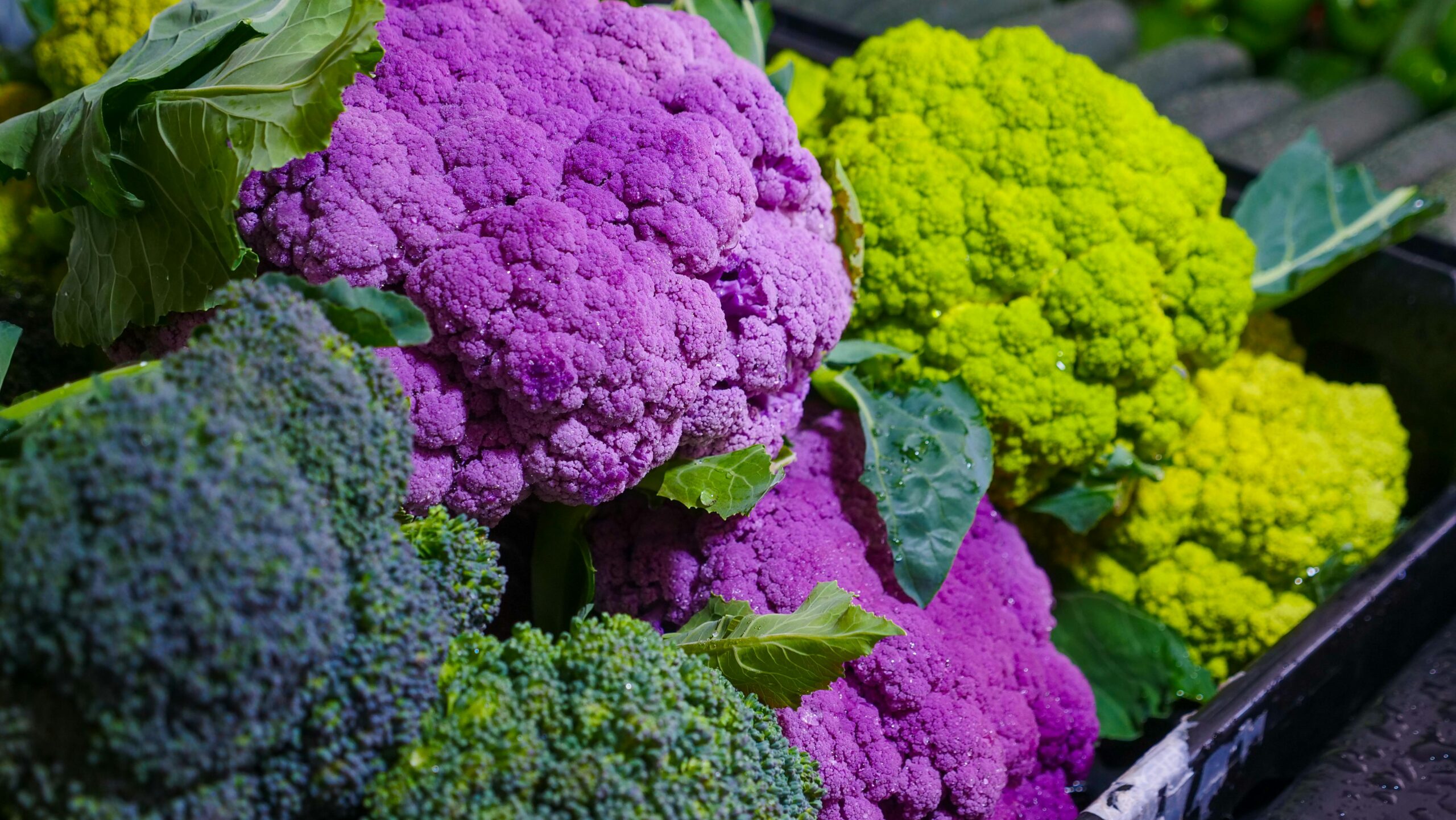
Cruciferous vegetables—broccoli, cauliflower, Brussels sprouts, cabbage, and kale—are nutritional powerhouses. They’re packed with vitamins C and K, fiber, and compounds called glucosinolates that support cellular health. But here’s the thing: how you cook them matters. A lot. The right cruciferous vegetables cooking methods preserve their nutrients and maximize their benefits. The wrong ones? They can destroy the very compounds that make these foods worth eating in the first place.
I’ve spent years dialing in my nutrition. I eat cruciferous vegetables almost daily—sometimes raw in salads, sometimes roasted, sometimes steamed. The difference in how I feel, perform, and recover depends partly on how I prepare them. This isn’t just theory. This is what the research actually shows, and what I’ve tested on myself.
Learn the cooking methods that preserve glucosinolates and maximize the nutrient density of cruciferous vegetables.
Why Cooking Method Matters for Nutrient Retention
Cruciferous vegetables contain glucosinolates—sulfur-containing compounds with potent anti-inflammatory and antioxidant properties. Research published in the Journal of the Science of Food and Agriculture found that cooking method dramatically affects glucosinolate content. Boiling, for example, can destroy up to 55% of these beneficial compounds. High heat and water exposure are the culprits.
That said, some cooking actually increases bioavailability—meaning your body can absorb and use the nutrients better. It’s a balancing act. The goal isn’t to eat everything raw. The goal is to choose cooking methods that preserve the most nutrients while making them more accessible to your body.
The Best Cooking Methods to Preserve Nutrients
Steaming (the winner): Steaming keeps vegetables away from direct boiling water and cooks them gently with moist heat. It preserves glucosinolates better than any other method. Steam broccoli and cauliflower for 4–5 minutes until just tender-crisp. They’ll stay bright in color and nutrient-dense.
Roasting: High heat (400°F+) actually increases the bioavailability of fat-soluble vitamins like K and can enhance flavor without excessive nutrient loss. Toss Brussels sprouts or cauliflower with a bit of olive oil and roast for 20–25 minutes. The exterior will crisp; the interior stays nutrient-rich. A study in Food Chemistry found that dry heat methods like roasting cause minimal glucosinolate degradation.
Microwaving: Short cooking times with minimal water make microwaving surprisingly effective. Microwave broccoli in a covered dish with a tablespoon of water for 3 minutes. Quick, nutrient-preserving, and honestly? Perfect for meal prep.
Stir-frying: Quick, high-heat cooking in minimal oil works well. The brief exposure time means less nutrient loss. Use high heat for 3–4 minutes max, and add cruciferous vegetables last so they don’t overcook while other ingredients finish.
Steaming and roasting preserve glucosinolates far better than boiling—and that matters for why you’re eating these vegetables in the first place.
Methods to Avoid (And Why)
Boiling: I rarely boil cruciferous vegetables. The nutrients leach into the water and are discarded. If you do boil, use minimal water and keep it under 5 minutes. Better yet, don’t.
Overcooking: Whether steaming, roasting, or stir-frying, stop before they become mushy. Mushy vegetables have lost structure, fiber integrity, and nutrient density. Aim for tender-crisp.
Practical Meal Prep Strategy
Here’s what I do: I roast a large batch of Brussels sprouts and broccoli on Sunday with olive oil, salt, and pepper at 425°F for 22 minutes. They’re still firm, taste great cold, and reheat well. I eat half raw or lightly steamed during the week for variety. This approach keeps nutrient density high and takes minimal prep time.
Raw cruciferous vegetables retain 100% of their glucosinolates but are harder to digest in large quantities. Mayo Clinic recommends a mix of raw and cooked vegetables for optimal nutrient absorption and digestion.
The Bottom Line
Steam, roast, microwave, or stir-fry your cruciferous vegetables. Avoid boiling. Cook until tender-crisp, not mushy. Mix raw and cooked to maximize both nutrient density and bioavailability. That’s it. That’s the science-backed playbook that actually works.
Your body doesn’t care how you prepare these vegetables—as long as they’re in your diet consistently and prepared in a way that preserves their benefits. I choose roasting most often because it tastes better, stores well, and preserves nutrients. You’ll find your own rhythm.
Ready to optimize your nutrition strategy? Explore makingthemost.us for more research-backed nutrition and fitness content designed for people who actually care about results.
This is not medical advice. The information on this page is for general education and reflects publicly available research as of the date noted on the article — it is not a substitute for a diagnosis, treatment plan, or guidance from your own doctor or a qualified healthcare provider. Individual health circumstances vary widely; what applies to the research or examples discussed here may not apply to you. Talk to a healthcare professional before making changes to medication, diet, exercise, or supplement use, especially if you have an existing condition or take prescription medication.