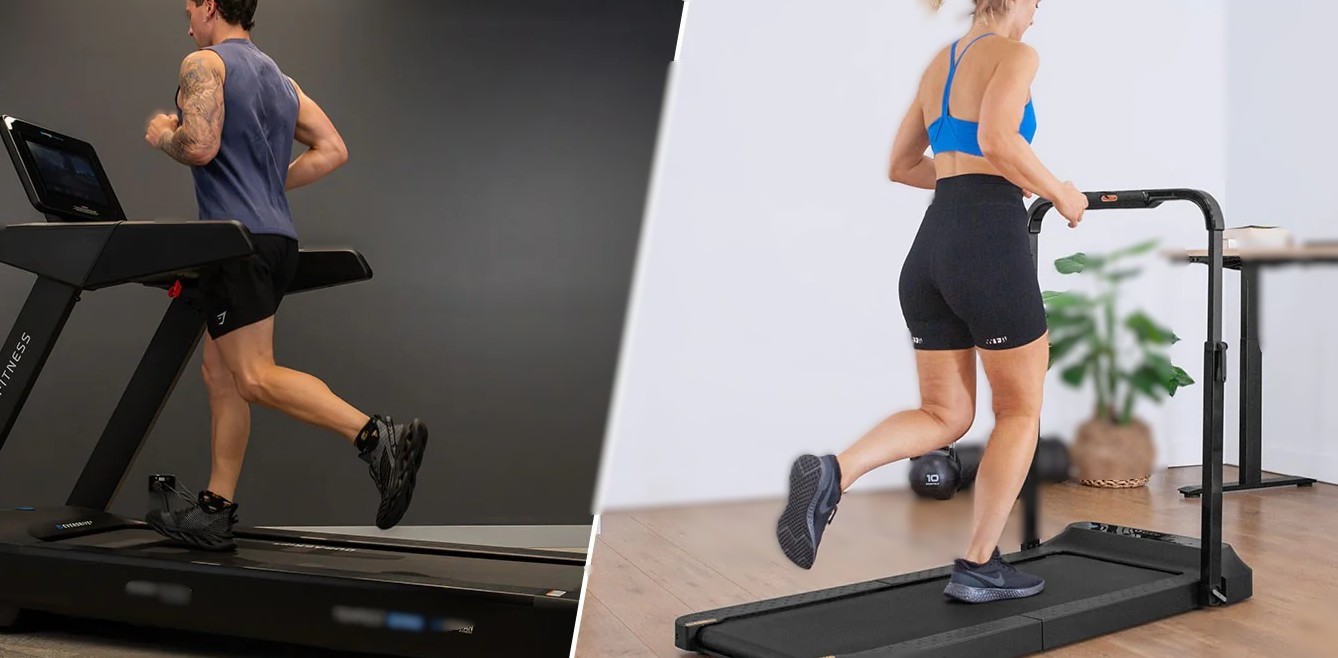
Walking Pad or Treadmill: Which Is Best for You
The walking pad versus treadmill debate matters more than ever. More of us are working from home, squeezing fitness into tight spaces, and looking for equipment that actually fits our lives—not the other way around. If you’re trying to decide between a walking pad and treadmill, you need to know the real differences, not just marketing hype. Let me break down what each does best and help you pick the right tool for your goals.
A walking pad and treadmill solve different problems—know which one matches your space, budget, and fitness goals before you buy.
What’s the Core Difference?
Let’s get specific. A walking pad is a compact, lightweight machine designed primarily for walking—usually maxing out around 4 mph. A traditional treadmill is heavier, more durable, and built to handle both walking and running, often reaching speeds of 10+ mph. That sounds simple, but it changes everything about how you’d use each one.
Walking pads typically weigh 50–100 pounds and fold flat for storage. Treadmills usually weigh 200+ pounds and demand dedicated floor space. If you’re in an apartment or home office, that difference is real. If you’re a serious runner, it’s a dealbreaker for the walking pad.
According to the CDC, sitting less and adding any amount of movement through the day delivers real health benefits. Both devices can deliver that benefit—but the way you’ll actually use them differs.
The Case for a Walking Pad
A walking pad makes sense if you work from home, have limited space, or want to build daily movement without formal “workout time.” You can tuck it into a bedroom corner, unfold it while catching up on emails, and walk for 20–30 minutes without leaving your desk. That’s the real advantage: friction-free consistency.
Walking pads are also quieter than treadmills, cheaper (usually $300–600 vs. $1,000+), and easier to move or replace if your situation changes. They’re excellent for building a morning step habit or breaking up a sedentary workday.
The trade-off: You can’t run on them, they lack the durability for heavy daily use, and if you want to train for speed or distance, they won’t challenge you.
Walking pads are excellent for building a morning step habit or breaking up a sedentary workday—if you don’t need to run.
The Case for a Traditional Treadmill
Buy a treadmill if running, higher intensity, or serious cardio training is part of your fitness plan. A quality treadmill handles incline work, sprint intervals, and consistent high-mileage training without wearing out. It’s also more stable and forgiving on joints during high-impact work.
Treadmills let you train in any weather without leaving home—critical if you live somewhere with brutal summers or winters. Mayo Clinic notes that regular brisk walking helps manage weight and improve cardiovascular fitness, the same benefits a treadmill delivers indoors in any weather.
The reality: A treadmill takes up space, costs more upfront, and requires a dedicated spot in your home. It’s a commitment.
How to Choose: Ask Yourself These Questions
- Do you run or want to train at speeds above 4 mph? → Treadmill.
- Is your primary goal daily movement and breaking up sitting? → Walking pad.
- Do you have 50+ square feet of dedicated space? → Treadmill works. Less than that? → Walking pad.
- Is budget tight? → Walking pad is the smarter entry point.
- Will you use it 5+ days per week? → Treadmill’s durability justifies the cost. 2–3 days? → Walking pad is enough.
Here’s my honest take: Most people overestimate how much they’ll run and underestimate how much they’ll walk. A walking pad fills the gap between “I want to move more” and “I’ll invest in serious running training.” It’s not a compromise—it’s a smarter first choice for most people.
The Bottom Line
The walking pad versus treadmill choice comes down to your space, budget, and actual fitness goals. Be honest about how you’ll use it. If you’re a runner, get the treadmill. If you’re building a daily movement habit from your home office, the walking pad will serve you better and cost less.
Either way, the best piece of equipment is the one you’ll actually use. Start with that principle, and you’ll make the right call.
Want more strategies for building a sustainable fitness routine that fits your life—not the gym’s schedule? Explore Making The Most for practical fitness, nutrition, and wellbeing content designed for real people with real schedules.