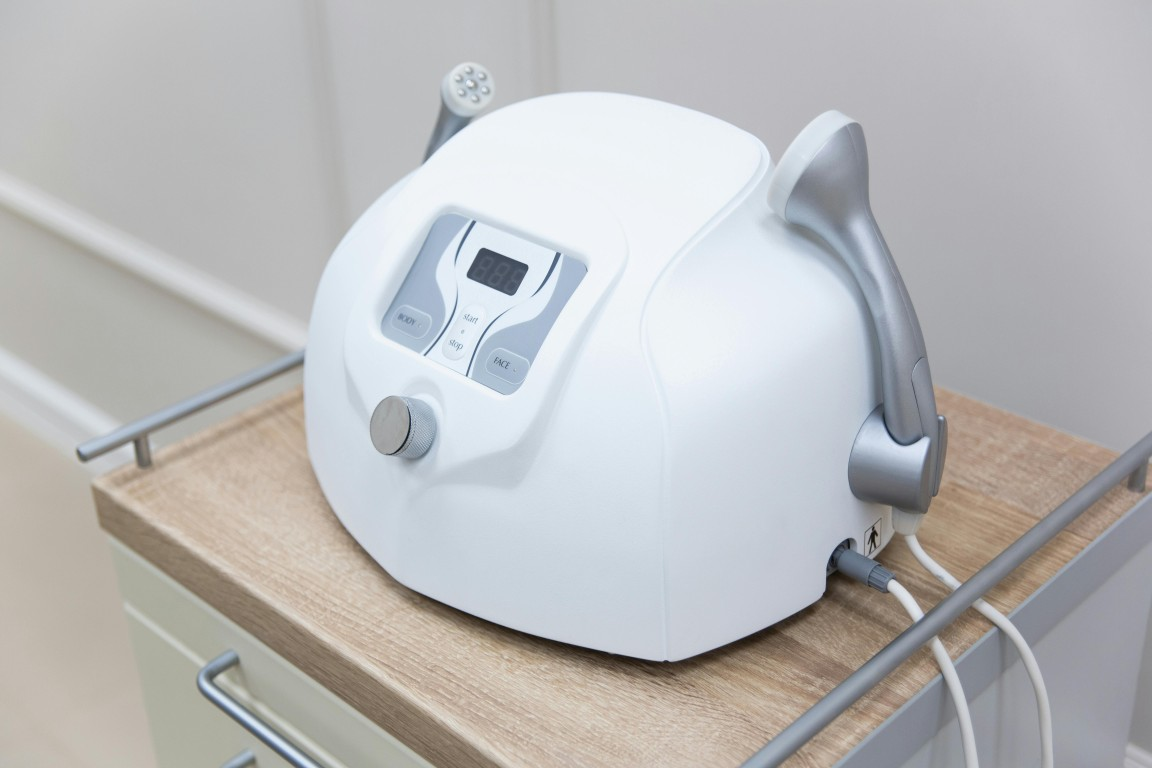
Shock wave and acoustic wave therapy aren’t the same thing — knowing which targets your injury’s depth will save you time and money on treatment.
If you’ve dealt with chronic pain, a stubborn injury, or soft tissue damage that won’t quit, you’ve probably heard both terms thrown around: shock wave therapy and acoustic wave therapy. They sound interchangeable. They’re not. And the difference matters if you want actual results instead of just burning cash on sessions that don’t touch the problem.
Both use sound waves to stimulate healing, but how deep they penetrate, how they’re generated, and what they actually fix are different enough that picking the wrong one could waste months of your time. This comparison cuts through the marketing and gives you the real breakdown.
The Core Difference: Depth and Penetration
Here’s the fundamental split: acoustic wave therapy is generally used for more superficial injuries, with sound waves having limited penetrative ability. Shock wave therapy, by contrast, reaches deeper into tissue — typically 3 to 4 centimeters down — making it suitable for significant injuries and chronic pain that lives in the deeper layers.
Think of it this way: If your problem is on the surface — tight fascia, myofascial trigger points, or superficial tendon inflammation — acoustic waves are your play. If you’re dealing with deep tissue damage, chronic plantar fasciitis, or calcifications buried in your shoulder or elbow, you need the reach of true shock wave therapy.
Radial shockwave therapy (EPAT) spreads outward from the point of contact, covering a broader treatment area but with less depth penetration. It’s efficient for muscle tightness and larger surface areas. Focused shock wave (ESWT) goes deep and concentrated — like a laser beam versus a flashlight.
How They Actually Work
During an ESWT session, a handheld device sends acoustic pulses through the skin to targeted areas of damaged tissue, creating controlled “microtrauma” that stimulates your body’s natural healing processes. This triggers increased blood flow, better circulation, and new cell production. Over time, inflammation drops and pain decreases.
The difference in depth penetration means picking the wrong therapy could waste months — you need to know whether your injury lives on the surface or in the deep tissue.
Acoustic wave therapy follows the same principle but operates more superficially. The waves don’t penetrate as far, so they’re best for conditions affecting the top layers of tissue and muscle. Both avoid surgery and downtime, which is why athletes and people dealing with chronic pain gravitate toward them. Both avoid surgery and downtime, which is why athletes and people dealing with chronic pain gravitate toward them, especially those working to maintain explosive power training as they get older.
One thing worth noting: despite the painful-sounding name, shockwave therapy is painless. Most patients report minimal discomfort during treatment.
Real-World Results: What the Data Shows
The research backs up the distinction. A meta-analysis of extracorporeal shock wave therapy (ESWT) for acute and chronic soft tissue wounds showed it statistically significantly increased the healing rate 2.73-fold — nearly triple the improvement compared to conventional wound therapy alone. Sessions typically run 1 to 2 per week over 1 to 8 weeks.
That’s substantial. For deep injuries, shock wave therapy is materially faster at triggering real healing than surface-level alternatives.
Acoustic wave therapy performs well too, especially for tennis elbow, trigger point release, and myofascial pain — but it’s optimized for shallow tissue. The clinical evidence shows both work, but they work best on different problems.
Which One Should You Actually Use?
Here’s the practical breakdown:
- Shock Wave Therapy (ESWT): Plantar fasciitis, calcific tendinopathy, deep shoulder/elbow pain, chronic soft tissue wounds, bone healing. When you need deep penetration and don’t mind 6-12 weeks of sessions.
- Acoustic Wave Therapy (Radial/EPAT): Myofascial trigger points, muscle tightness, superficial tendon strain, cellulite, broader surface area conditions. When your problem is surface-level but widespread.
Cost varies, but both typically run $200-$500 per session. Insurance rarely covers them, so you’re paying out of pocket. That makes the choice even more important — you don’t want to sink $3,000 into treatment that can’t reach the actual problem.
Before you book anything, get a clear diagnosis. An ultrasound or MRI will show you whether the damage is superficial or deep. That single fact should drive your decision. Don’t let a clinic sell you convenience; pick based on where the injury actually is.
The Bottom Line
Shock wave and acoustic wave therapy both harness acoustic pulses to jumpstart healing, but they’re not interchangeable. Shock wave therapy penetrates deep and works fast on significant injuries. Acoustic wave therapy is lighter, broader, and better for surface-level muscle and fascia work. Knowing which one matches your specific problem separates smart spending from spinning your wheels.
Your injury doesn’t care what sounds good — it cares about whether the treatment actually reaches it.
Want more straight talk on health decisions, recovery strategies, and making smarter choices about your body? Explore Making The Most for practical guides that cut through the noise.
This is not medical advice. The information on this page is for general education and reflects publicly available research as of the date noted on the article — it is not a substitute for a diagnosis, treatment plan, or guidance from your own doctor or a qualified healthcare provider. Individual health circumstances vary widely; what applies to the research or examples discussed here may not apply to you. Talk to a healthcare professional before making changes to medication, diet, exercise, or supplement use, especially if you have an existing condition or take prescription medication.