Measurement Is Motivating: Why Tracking Leads to Success
Most people don’t get serious about fitness results until they start tracking them.
It’s a common pattern: hit the gym, eat “pretty clean,” and wonder why results plateau. The goals—lose fat, get stronger, feel better—stay vague, unmeasurable, forgettable, right up until someone starts writing things down: workout weights, reps, body weight, daily steps, even how they felt. That’s usually when things change. Not because tracking is about obsessing over numbers, but because why tracking habits leads to success isn’t motivational theory—it’s neuroscience. What gets measured gets managed. And what gets managed gets results.
If you’re serious about fitness, health, or any goal worth achieving, you need to understand the power of tracking. Here’s what the research shows and what I’ve learned from doing it.
Track your habits and you don’t just build awareness—you build momentum, accountability, and the evidence you need to stay committed when motivation fades.
The Psychology Behind Tracking: Why Awareness Equals Change
There’s something almost magical about writing something down. The moment you measure a behavior, you become conscious of it. Suddenly, you can’t unsee it.
Research published in the American Journal of Preventive Medicine found that people who tracked their food six or more days a week lost significantly more weight than those who barely tracked at all—even without changing their diet significantly at first. Why? Because measurement creates awareness, and awareness creates choice. You see the pattern before you change it.
In fitness, this translates directly. When you log your workouts, you see which exercises you’re actually doing, which ones you’re avoiding, and where your real progress lives. I used to think I was doing enough leg work. Until I tracked it. Turns out I was benching twice as much as I was squatting. No wonder my legs weren’t growing. The data didn’t lie. I adjusted, and the results came.
This is the first law of habit tracking: you can’t improve what you don’t measure.
Motivation Fades—But Data Doesn’t
Here’s the cold truth: motivation is unreliable. Some weeks I wake up fired up to crush a workout. Other weeks I’d rather sleep. Life happens. Stress hits. Energy dips. That’s normal.
But when I pull up my training log and see that I’ve hit 47 workouts in the last 90 days, or that my deadlift is up 15 pounds, or that I’ve walked 30,000 steps this week—that’s not motivation. That’s proof. Data-driven motivation is stronger because it’s not emotional. It’s real. Tracking strength gains becomes especially important as you age, which is why explosive power training deserves its own place in your log alongside your deadlift and squat numbers.
Data-driven motivation is stronger because it’s not emotional. It’s real.
A meta-analysis of nearly 20,000 participants found that monitoring progress toward a goal significantly increases the odds of actually reaching it. When you can point to concrete evidence, your brain doesn’t need a motivational speech. It needs a win. And tracking gives you wins every single day.
Three Practical Ways to Start Tracking Your Fitness Today
- Log your workouts. Date, exercise, weight, reps, sets. Nothing fancy. A notebook, spreadsheet, or app like Strong or JEFIT works. After four weeks, you’ll know exactly where you stand. After 12 weeks, you’ll see progress you can’t ignore.
- Track one nutrition metric. You don’t need to count every calorie forever. Pick one thing: protein intake, daily steps, water consumed, or meal prep days completed. Make it simple. Make it stick.
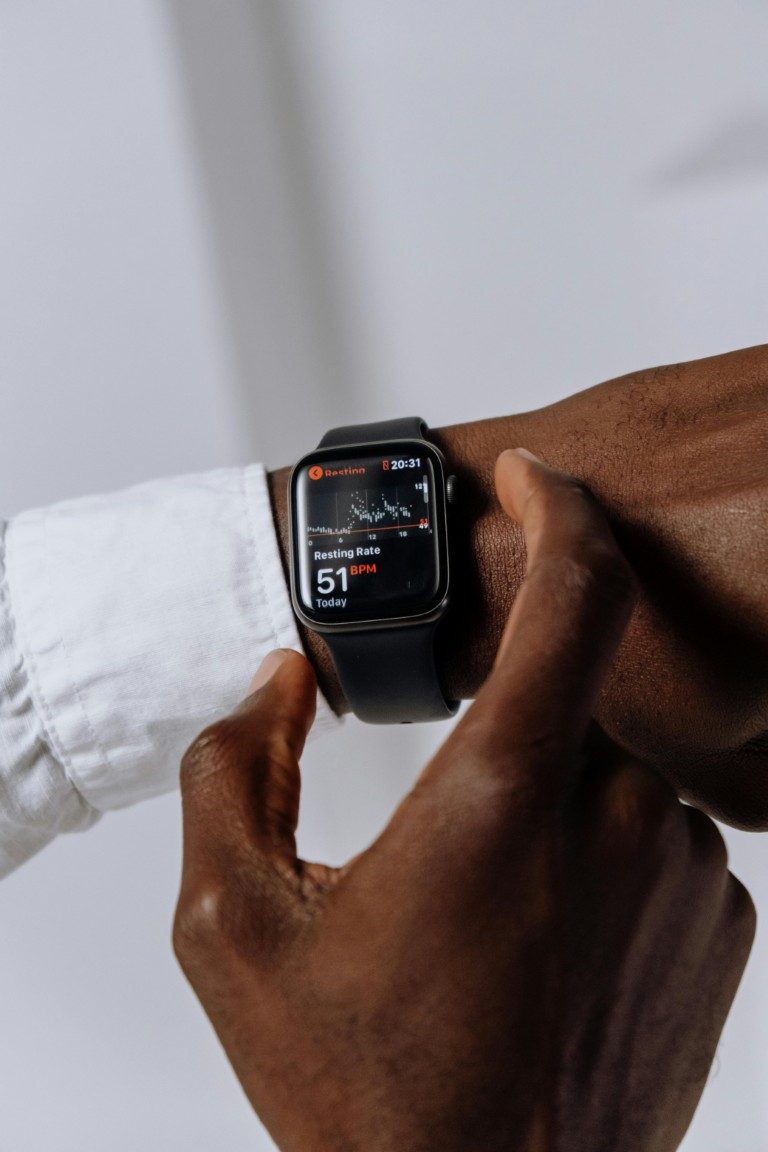
- Measure what matters to you. If sleep is your issue, track it. If recovery is the problem, measure resting heart rate. Focus on the one variable that’s actually blocking your progress right now.
The American Heart Association emphasizes that self-monitoring is one of the most evidence-backed strategies for building lasting health habits. Simple. Proven. Effective.
The Real Benefit: Ownership
Tracking doesn’t work because numbers are fun. It works because numbers create accountability. When you see your data in black and white, you own it. You can’t blame the gym, the weather, or bad luck. You see exactly what you did, how often you did it, and what happened as a result.
That ownership is where change lives. That’s where results come from.
Start tracking today. Not to become obsessed with metrics, but to become honest with yourself about where you actually are and where you want to go. The measurement isn’t the goal. The progress is. But you can’t see progress without measurement.
Ready to build habits that actually stick? Explore Making The Most for research-backed fitness, nutrition, and wellness strategies designed for real people with real lives. No nonsense. Just results.
This is not medical advice. The information on this page is for general education and reflects publicly available research as of the date noted on the article — it is not a substitute for a diagnosis, treatment plan, or guidance from your own doctor or a qualified healthcare provider. Individual health circumstances vary widely; what applies to the research or examples discussed here may not apply to you. Talk to a healthcare professional before making changes to medication, diet, exercise, or supplement use, especially if you have an existing condition or take prescription medication.