If you’ve been training for years—hitting PRs in the squat rack, crushing cardio, nailing your meal prep—but you’ve never done a single rep of pelvic floor strength training, you’re leaving money on the table. Most people don’t talk about it. Gyms don’t advertise it. But pelvic floor muscle training exercises can strengthen the muscles under the uterus, bladder, and bowel, improving everything from athletic performance to everyday function. Whether you’re male or female, young or getting older, pelvic floor strength training belongs in your fitness program—and here’s why.
Pelvic floor strength training fixes dysfunction, boosts performance, and prevents injury—yet most people have never done a single rep.
Why Pelvic Floor Strength Training Matters More Than You Think
Your pelvic floor isn’t some niche body part. It’s a group of muscles that supports your bladder, bowel, and core stability. Weak pelvic floor muscles can lead to leakage, reduced sexual function, lower back pain, and poor athletic performance. And it’s not just a women’s issue—men deal with it too, especially as they age or after certain medical events.
Here’s the reality: sitting all day weakens your pelvic floor. High-impact exercise without proper pelvic floor control can stress it further. And most people have zero awareness of how to activate these muscles. That’s the problem. The fix? Intentional, consistent pelvic floor strength training. Research shows that pelvic floor exercises can improve urinary control, sexual function, and core stability—the same stability that makes you a better lifter, runner, and athlete.
The 5 Best Pelvic Floor Strength Training Exercises
You don’t need fancy equipment. You just need to know which moves target the pelvic floor and how to do them right.
- Kegel Exercises: The gold standard. Squeeze your pelvic floor muscles (imagine stopping the flow of urine mid-stream) for 3 seconds, then relax for 3 seconds. Do 10 reps, 3 times daily. Progress to 5-10 second holds as you get stronger.
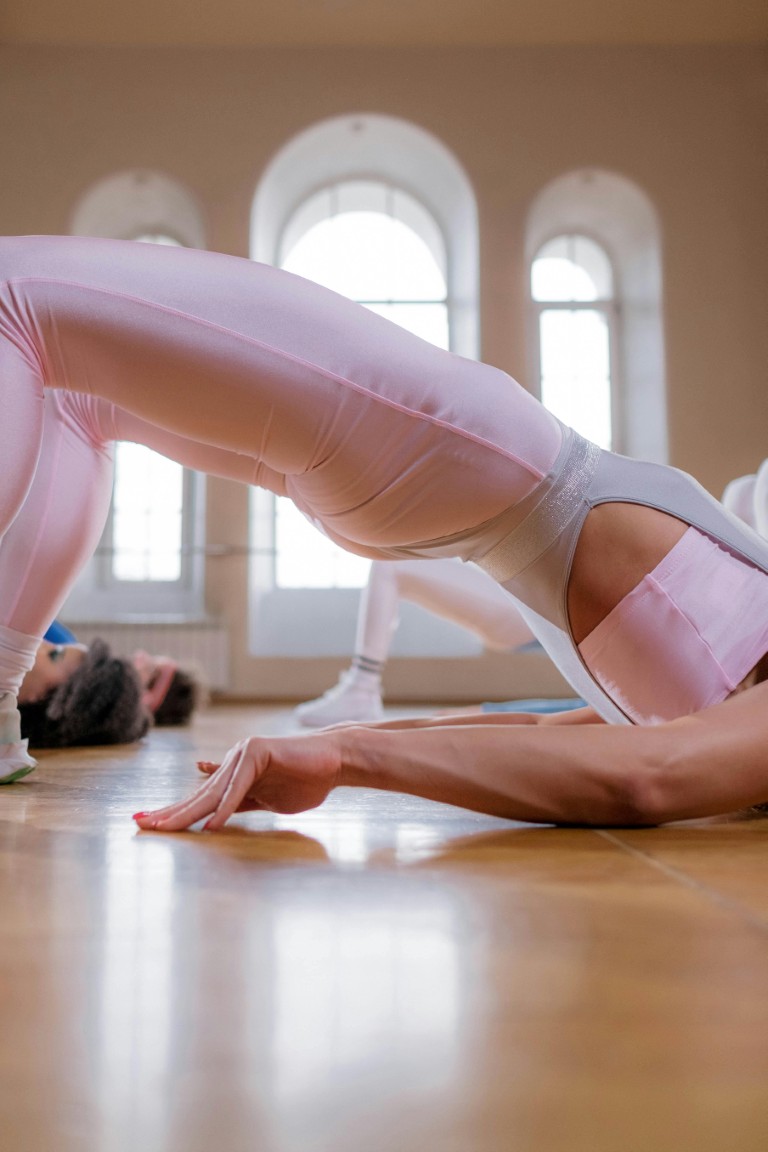
- Bridges: Lie on your back, knees bent, feet flat. Drive through your heels to lift your hips. At the top, squeeze your glutes and pelvic floor for 2 seconds. Lower and repeat. 12-15 reps per set. Add pulses at the top of the hold to increase time under tension.
- Squats: Deep, controlled squats activate your pelvic floor as stabilizers. Focus on keeping your core tight and pelvic floor engaged throughout the movement. 3 sets of 10-12 reps.
- Dead Bug: Lie on your back, arms extended toward the ceiling, legs bent at 90 degrees. Slowly lower opposite arm and leg while keeping your lower back flat and pelvic floor engaged. Alternate sides. 3 sets of 10 per side.
Weak pelvic floor muscles can lead to leakage, reduced sexual function, lower back pain, and poor athletic performance—yet most people have zero awareness of how to activate these muscles.
How to Integrate Pelvic Floor Training Into Your Routine
You don’t need a separate workout. Add pelvic floor activation cues to exercises you’re already doing. Before your squat or deadlift session, do 2-3 sets of Kegels. During your bridges, focus on the squeeze. Core stability—of which the pelvic floor is a key component—is linked to reduced lower-extremity injury risk through better neuromuscular control of movement.
Start with 3-5 minutes, 3-4 times per week. As your awareness improves, you can add hold time or reps. Consistency beats intensity here. A steady, 8-12 week commitment will show measurable improvements in control, performance, and confidence.
The Real-World Benefits You’ll Notice
Improved bladder control. Better sexual function. Less lower back pain during heavy lifts. More stable core during explosive movements. Faster recovery. These aren’t theoretical—they’re what people experience when they actually train their pelvic floor. It’s not sexy, but it works.
Pelvic floor strength training is what separates people who train smart from people who train hard. Add it to your program now, and you won’t regret it.
Ready to dial in every part of your fitness? Explore Making The Most for research-backed workout programming, nutrition strategies, and recovery methods that actually move the needle.
This is not medical advice. The information on this page is for general education and reflects publicly available research as of the date noted on the article — it is not a substitute for a diagnosis, treatment plan, or guidance from your own doctor or a qualified healthcare provider. Individual health circumstances vary widely; what applies to the research or examples discussed here may not apply to you. Talk to a healthcare professional before making changes to medication, diet, exercise, or supplement use, especially if you have an existing condition or take prescription medication.