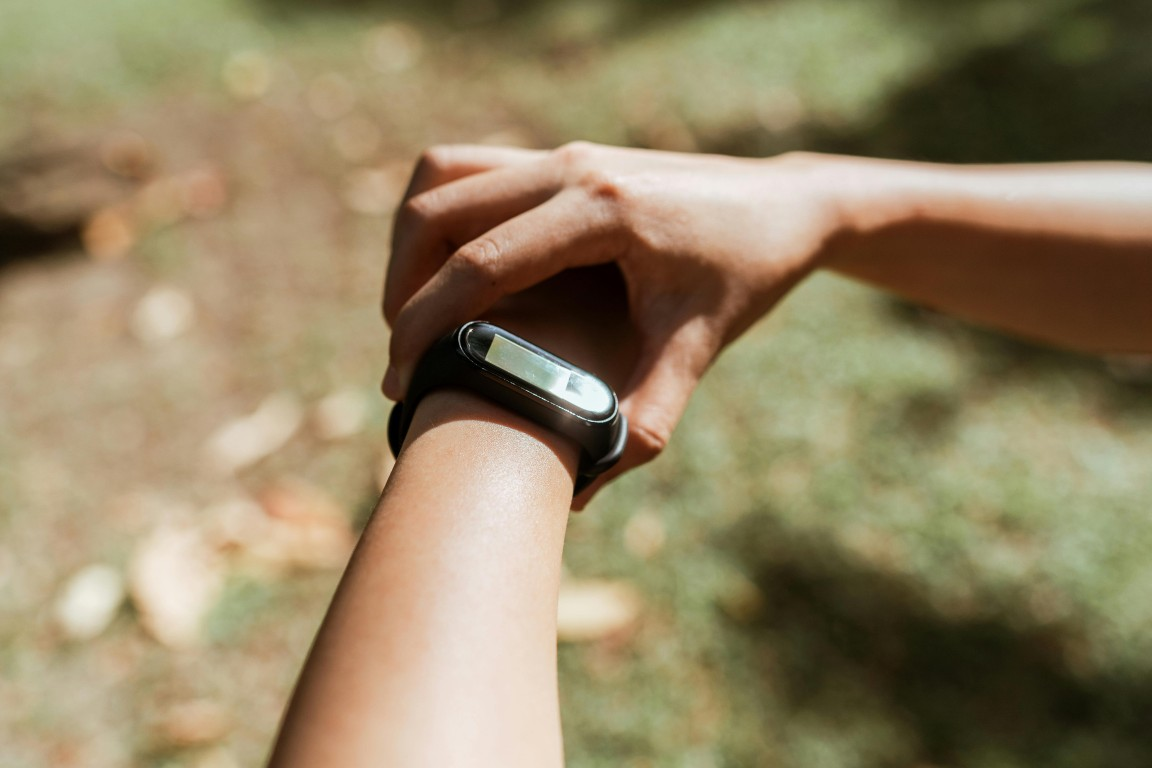
Managing Your Health: How Wearables Drive Action and Results
You already know you should move more, sleep better, and stay consistent. The problem isn’t knowledge—it’s accountability. That’s where wearables are motivating in ways that willpower alone simply cannot match. A smartwatch or fitness tracker isn’t magic, but it’s the closest thing to having a coach on your wrist that actually works. The research backs up why it works.
Wearables are motivating because they turn invisible health metrics into visible, real-time feedback—giving your brain the dopamine hit it needs to stay committed to fitness goals.
The Science Behind Real-Time Feedback
Here’s what most people miss: motivation comes down to feedback loops, not inspiration. A systematic review and meta-analysis of randomized controlled trials on wearable trackers shows that real-time feedback—seeing your step count climbing, your heart rate during a workout, or your sleep quality tracked nightly—creates a psychological trigger that traditional goal-setting never achieves.
When you see the numbers, your brain responds. Not tomorrow. Not next week. Now. That Fitbit notification that you’re 2,000 steps short of your daily goal? That’s not annoying—that’s your nervous system getting activated. That’s motivation in action. Young people and adults alike report this same effect: the moment they can see progress in real-time, they move differently. They think differently.
The key is that wearables create what researchers call “controlled motivation”—you’re not exercising because you feel like you should someday; you’re exercising because you can see exactly where you stand right now.
Competition and Social Accountability
One of the most underrated features of modern wearables is the ability to compete with friends or join challenges. This taps into something deeply human: we’re social creatures, and social proof drives behavior change faster than anything else.
I’ve watched people who claim they “hate exercise” completely change their tune once they join a friend group on Fitbit or their smartwatch app. Suddenly, finishing second in a weekly step challenge isn’t just a number—it’s personal. That competitive edge, even if it’s low-stakes and friendly, rewires your daily decisions. You take the stairs instead of the elevator. You park further away. You do a quick evening walk that you wouldn’t have done otherwise.
Real-time feedback and competition transform invisible health metrics into visible, tangible wins that your brain actually cares about.
Beyond Steps: Tracking What Actually Matters
Modern wearables do way more than count steps. They track heart rate variability, sleep stages, workout intensity, and recovery metrics. Mayo Clinic Health System emphasizes that understanding recovery is just as important as logging workouts, and wearables make that visible in a way a journal never could.
When you see that you only got 2 hours of deep sleep last night, you’re more likely to prioritize sleep the next evening. When your device shows elevated resting heart rate, you know your body is asking for recovery before you push hard again. This isn’t overthinking—it’s informed decision-making. You’re not guessing anymore; you’re responding to actual data about your body.
Making Wearables Work for You (Not Against You)
Not every wearable will stick, and that’s fine. The best device is the one you’ll actually use consistently. Pick something that fits your lifestyle—whether that’s a simple Fitbit, a comprehensive smartwatch, or a dedicated fitness tracker. The device itself matters less than your commitment to checking in regularly.
- Set one primary metric to focus on. Don’t chase every number. Pick steps, sleep, or workout duration and build momentum there first.
- Check your device daily. The motivational power only works if you’re actually looking at the data. Make it part of your morning or evening routine.
- Join a challenge or accountability group. Leverage the social component. Share your data with someone who will call you out.
- Use trends, not just daily numbers. A single bad day means nothing. Focus on the weekly or monthly trend to stay balanced and avoid obsession.
A comprehensive review of behavior-change techniques in wearables consistently shows that devices drive behavior change most effectively when they’re part of a bigger system—not a replacement for it. A wearable is a tool that amplifies your commitment, not a shortcut to fitness.
The Real Win
Wearables are motivating because they answer the question your brain keeps asking: “Am I actually making progress?” And when you can answer that question with real data, day after day, week after week, something shifts. You stop relying on willpower. You start relying on momentum.
If you’re serious about managing your health and building lasting fitness habits, a wearable is one of the smartest investments you can make. Not because of the technology itself, but because of what that technology enables: accountability, visibility, and the kind of feedback loop that actually drives change.
Ready to build a health system that actually works? Explore makingthemost.us for more research-backed fitness strategies, nutrition guidance, and mental wellbeing insights designed for real people living real lives.
This is not medical advice. The information on this page is for general education and reflects publicly available research as of the date noted on the article — it is not a substitute for a diagnosis, treatment plan, or guidance from your own doctor or a qualified healthcare provider. Individual health circumstances vary widely; what applies to the research or examples discussed here may not apply to you. Talk to a healthcare professional before making changes to medication, diet, exercise, or supplement use, especially if you have an existing condition or take prescription medication.