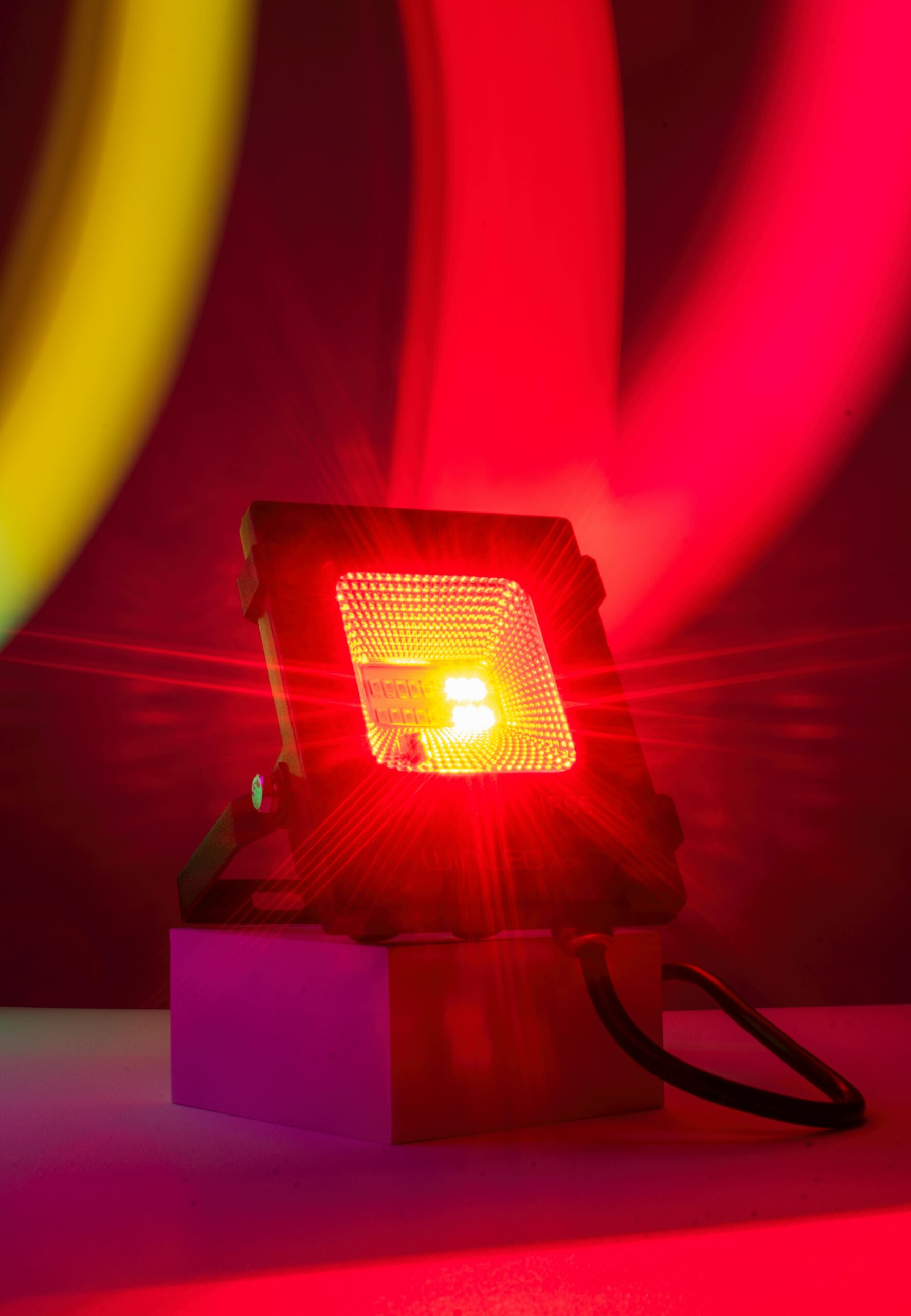
Walking is simple. It’s free. It requires no equipment—yet one small addition can transform your daily walk into a recovery and performance tool: a walking pad or treadmill with red light therapy.
I’ve spent the last few years experimenting with how to maximize my time indoors. Most of us sit too much, move too little. A walking pad/treadmill solves one problem. Add red light therapy—660nm wavelength light that penetrates tissue—and you’re solving two: movement *and* cellular recovery happening simultaneously.
This isn’t magic. It’s physiology backed by real research. Here’s what I’ve learned and what the science actually shows.
Combine walking with red light therapy to boost circulation, reduce inflammation, and improve focus—all while building daily movement without leaving your desk.
What Red Light Therapy Actually Does (and Doesn’t)
Red light therapy works at the mitochondrial level. The 660nm wavelength stimulates cytochrome c oxidase in your cells’ mitochondria, boosting ATP (energy) production. Research on mitochondrial redox signaling shows consistent benefits for muscle recovery, reduced inflammation, and improved blood flow—especially post-exercise.
Red light therapy isn’t a miracle cure — it’s a tool that enhances what you’re already doing. If you’re sedentary except for standing under a red light, you’re missing the point. But if you’re walking 30+ minutes daily and using red light therapy to accelerate recovery, the combination compounds.
Reported benefits of combining the two include:
- Better circulation during long work sessions — A 30-minute mid-morning session on a walking pad with red light breaks up sedentary time and keeps blood flowing.
- Faster muscle soreness recovery — Users commonly report legs and lower back feeling fresher, though this is a subjective effect rather than a lab-measured one.
- Sleep quality improvement — Paradoxically, the boost in afternoon movement plus red light exposure can help produce deeper sleep that night.
- Focus and mental clarity — The combination of low-intensity movement and sensory input from the light creates a meditative effect that’s hard to replicate sitting still.
Red light therapy accelerates recovery at the cellular level, but only when paired with real movement—not as a standalone gadget.
Walking Is Not Just for Step Count
A lot of people dismiss walking pads as “fake exercise.” They’re wrong. Mayo Clinic research confirms that low-intensity, consistent movement improves cardiovascular health, metabolic function, and mental wellbeing just as effectively as higher-intensity work—especially over long-term consistency.
The advantage of a walking pad is *adherence*. You can walk while working, watching content, or on calls. I hit 10,000+ steps most days without thinking about it.
When you pair this with red light therapy, you’re adding a recovery stimulus that doesn’t interfere with work or focus. In fact, it *enhances* it. Studies on red light and cognitive function suggest improved alertness and reduced mental fatigue.
How to Actually Use This Setup
Here’s my practical recommendation:
- 3-4 sessions per week, 20-30 minutes each. Not every single day—your body needs variation.
- Position the red light source at torso/leg height. You want direct exposure to the area you’re working.
- Walk at a conversational pace, mid-morning or early afternoon. This isn’t a cardio session — aim for 2-3 mph, and avoid late evening if you’re sensitive to light exposure affecting sleep.
- Combine with hydration and proper nutrition. Movement + light therapy don’t replace fundamentals.
Research on photobiomodulation dosing shows optimal benefits occur with consistent, moderate exposure—not marathon sessions. You’re building a habit, not chasing a quick fix.
The Bottom Line
A walking pad with red light therapy is a legitimate tool if you’re serious about consistency. It won’t replace proper training, good nutrition, or sleep. But it fills a gap most people have: too much sitting, not enough low-intensity movement, and missed recovery opportunities.
I use mine 4-5 days a week. It’s become non-negotiable in my routine—not because of hype, but because I *feel* the difference in energy, recovery, and focus. If you spend most of your day indoors and want to optimize movement without derailing your schedule, this is worth trying.
Ready to build a real fitness foundation that lasts? Explore Making The Most for evidence-based fitness, nutrition, and recovery strategies that actually work in real life.
This is not medical advice. The information on this page is for general education and reflects publicly available research as of the date noted on the article — it is not a substitute for a diagnosis, treatment plan, or guidance from your own doctor or a qualified healthcare provider. Individual health circumstances vary widely; what applies to the research or examples discussed here may not apply to you. Talk to a healthcare professional before making changes to medication, diet, exercise, or supplement use, especially if you have an existing condition or take prescription medication.