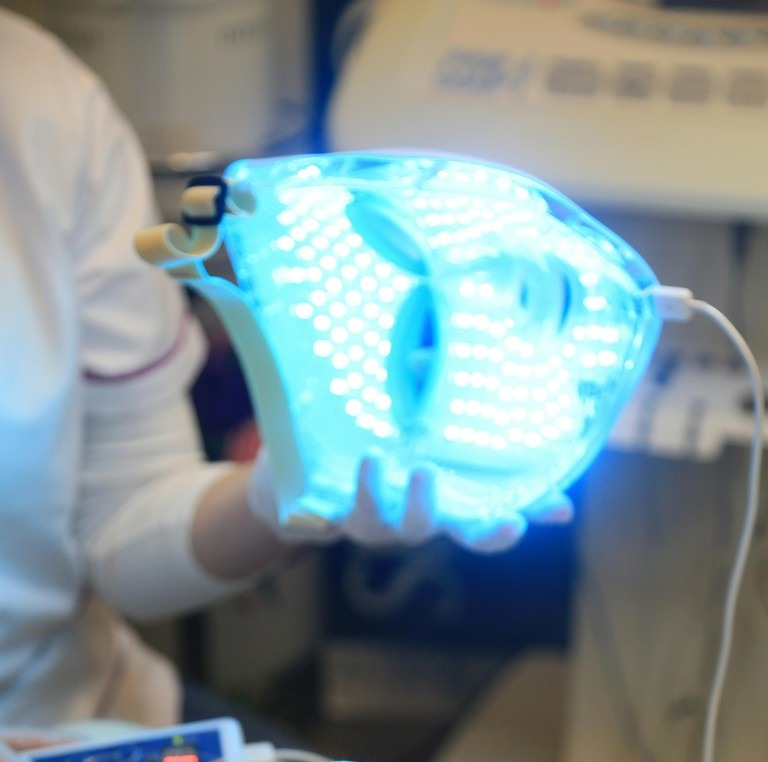
LED light therapy has moved beyond the dermatology clinic and into the mainstream conversation about skin health. You can buy devices online, find it bundled into skincare routines, and see claims ranging from acne control to wrinkle reduction. But like most wellness trends, the real story is more nuanced than the marketing. Here’s what LED light therapy actually does, which colors matter for your skin, and whether it’s worth your time and money. For a deeper dive into the research supporting these claims, see our breakdown of red light therapy’s proven benefits.
LED light therapy works by triggering cellular responses at specific wavelengths—but only certain colors address certain skin problems, and results require consistency, not one-off sessions.
How LED Light Therapy Actually Works
LED light therapy isn’t magic — it’s a legitimate mechanism with real research behind it. The technology uses light energy applied to tissue to stimulate cellular metabolism and accelerate repair of damaged cells. Think of it like photosynthesis for your skin—the light energy triggers a photobiochemical reaction at the cellular level.
The specific wavelength matters. Different colors of light penetrate to different depths in the skin and trigger different cellular responses. Blue light targets surface-level concerns, while red light penetrates deeper to address wrinkles and fine lines. The process isn’t instant—your cells need repeated exposure to trigger meaningful change.
The interest in LED therapy started in the 1990s when NASA studied its effects on wound healing in astronauts. That real-world research foundation is why dermatologists have embraced it, though usually as part of a broader treatment approach rather than a standalone fix.
Which Color Does What: Blue vs. Red
Here’s where the spectrum matters—and where you need to be realistic about what each color can and can’t do.
Blue light targets acne, specifically the bacteria and surface-level inflammation. If you’re dealing with active breakouts, blue light can help reduce flare-ups. But it’s not a replacement for a solid skincare routine or dermatologist-prescribed acne treatment.
Red light goes deeper. Red light reduces the appearance of wrinkles, softens fine lines, and can improve the appearance of surgical scars. It also promotes collagen production—the protein responsible for skin elasticity. Increased collagen can reduce the appearance of wrinkles and other signs of aging.
With LED light therapy, think of it as maintenance—not a one-time fix.
Beyond acne and aging, LED therapy shows promise for dermatitis, eczema, psoriasis, rosacea, scarring, and sun damage. But the evidence is strongest for acne and anti-aging.
What LED Therapy Can and Cannot Do
Let me be direct: LED light therapy works, but it’s not a miracle. It’s incremental. It requires consistency. And it works best for specific skin types.
LED therapy is effective for:
- Surface-level acne (blue light especially)
- Fine lines and mild wrinkles (red light)
- Hyperpigmentation and dull skin tone
- General skin health, collagen maintenance, and supporting other skincare treatments
LED therapy is NOT effective for:
- Deep wrinkles (you need lasers or injectables for that)
- Severe acne (prescription medication works better)
- Cystic or inflammatory acne in isolation
- People with epilepsy triggered by light frequency
Skin specialists often combine LED light therapy with other treatments like creams, ointments, and facials for the best results. It’s a supporting player, not the main event.
At-Home Devices vs. Professional Treatments
You have options. Professional-grade LED treatments happen in dermatology offices and medical spas. At-home devices—masks, handheld panels, light sticks—are cheaper but less powerful.
Professional treatments deliver higher intensity and clinical monitoring. You’ll see faster results, but you’re paying $200–$400 per session, and you need consistency (usually weekly or bi-weekly for 4–8 weeks).
At-home devices cost $30–$300 depending on quality. They’re more convenient, but results take longer and depend on your discipline. You have to use them regularly—multiple times per week for weeks before you notice meaningful change. Most people buy these with good intentions and let them collect dust after a month.
If you’re considering an at-home device, commit to 10–15 minutes, 3–4 times per week for at least 6–8 weeks. That’s the minimum threshold for results. Anything less is just expensive ambient lighting in your bedroom.
The Practical Takeaway
LED light therapy is legitimate, backed by research, and endorsed by dermatologists. But it’s not a shortcut to perfect skin. It’s a tool—one that works best when you have realistic expectations and pair it with the fundamentals: clean diet, sleep, hydration, sunscreen, and a solid skincare routine.
If you have surface acne or mild signs of aging and you’re willing to commit to consistent use, it’s worth trying—either through a dermatologist (faster, more powerful) or a quality at-home device (cheaper, requires discipline).
If you’re expecting LED therapy to replace prescription acne meds or eliminate deep wrinkles, save your money.
Want to build a health and skincare strategy that actually sticks? Explore Making The Most for practical guides on personal health systems, financial wellness, and life decisions that move the needle.
This is not medical advice. The information on this page is for general education and reflects publicly available research as of the date noted on the article — it is not a substitute for a diagnosis, treatment plan, or guidance from your own doctor or a qualified healthcare provider. Individual health circumstances vary widely; what applies to the research or examples discussed here may not apply to you. Talk to a healthcare professional before making changes to medication, diet, exercise, or supplement use, especially if you have an existing condition or take prescription medication.