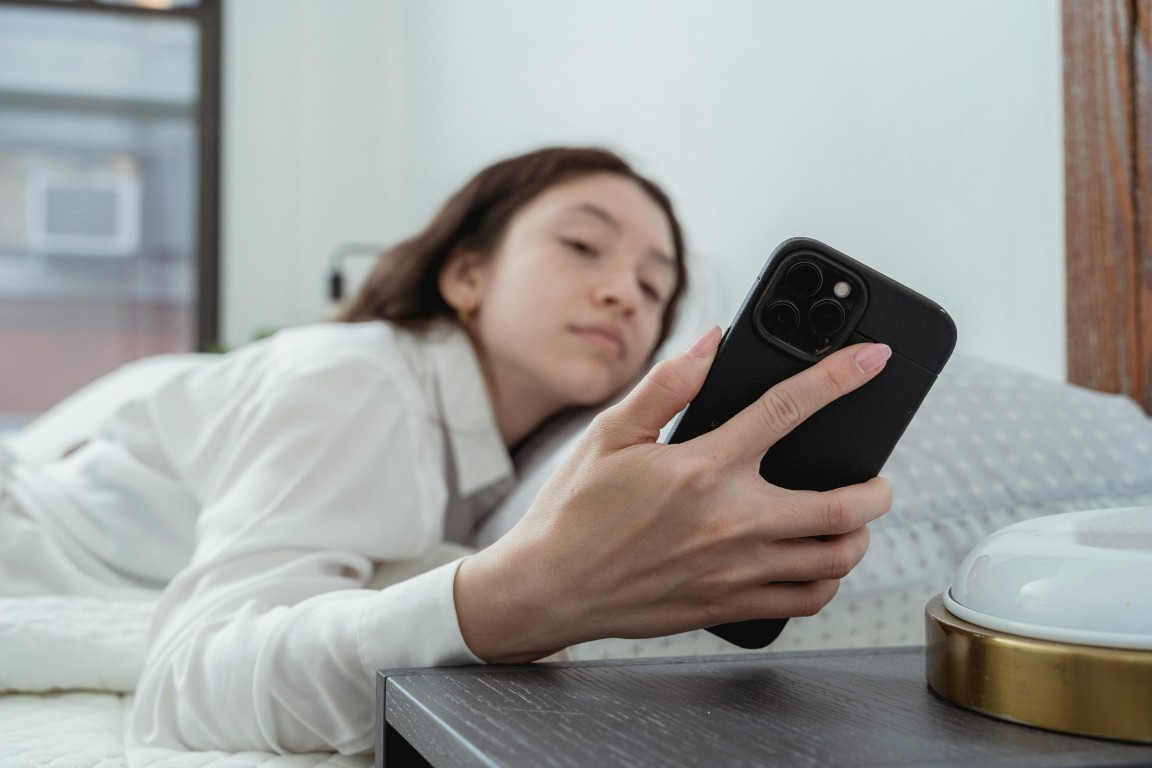
Caffeine consumed within 6 hours of bedtime measurably disrupts your sleep—and most people don’t realize how late is too late.
You drink coffee at 2 p.m., feel fine by dinner, then lie awake at 11 p.m. wondering why your brain won’t shut off. You’re not broken. Your caffeine’s still in your system.
Most people treat caffeine like it disappears the moment they stop feeling the buzz. That’s the mistake. The real timing issue around caffeine’s impact on sleep has nothing to do with when you feel it kick in—it’s about when it actually leaves your body. And the research on this is clear: you’re probably drinking coffee too late in the day.
Here’s what you need to know about caffeine, timing, and sleep, and why it matters more than you think.
How Long Caffeine Actually Stays in Your System
Caffeine has a half-life of 5 to 6 hours. That means if you drink 200 mg at noon, 100 mg is still active in your body at 5 p.m. At 11 p.m., there’s still 25 mg circulating. Not nothing.
But here’s the catch: individual sensitivity varies wildly, with research showing caffeine can stay in your body anywhere from 2 to 10 hours before it’s fully eliminated. Some people metabolize it fast. Others—especially older adults, pregnant women, and people on certain medications—clear it slowly.
That means your 3 p.m. latte could legitimately be keeping you awake at midnight if you’re on the slower end of the spectrum.
What the Research Actually Shows About Sleep Disruption
A single cup of caffeine consumed 6 hours before bed still produces measurable sleep disruption—reduced total sleep time, longer time falling asleep, and more nighttime wakefulness.
The data is direct. A meta-analysis of 24 studies published in PubMed found that caffeine consumption reduced total sleep time by 45 minutes and sleep efficiency by 7%, with sleep onset taking 9 minutes longer and nighttime wakefulness increasing by 12 minutes.
But the most important study for practical people comes from researchers who tested specific timing windows. Even caffeine taken 6 hours before bedtime produced significant sleep disturbance compared to placebo. Not minor. Significant.
That’s not a personal sensitivity thing. That’s pharmacology.
Here’s what caffeine actually does to sleep:
- Delays sleep onset: You lie there longer before falling asleep.
- Fragments sleep quality: You wake up more during the night, breaking up deep, restorative stages.
- Reduces total sleep time: Even if you force yourself to bed on time, you’re getting less actual sleep.
- Kills sleep efficiency: You’re in bed longer but sleeping less—a mismatch your body notices.
The Catch: The Caffeine-Sleep Deprivation Cycle
Here’s where it gets insidious. Regular caffeine use that disrupts sleep creates a vicious cycle: caffeine exacerbates sleep deprivation, sleep loss causes daytime sleepiness, which drives increased caffeine consumption the next day to cope.
So you drink coffee to fight the exhaustion from the sleep you lost because of yesterday’s coffee. You’re essentially borrowing energy from tomorrow, with interest.
The longer this runs, the worse it gets. Eventually, even caffeine can’t overcome the sleep debt. You’re tired no matter what you drink.
The Practical Cutoff: When to Stop Drinking Caffeine
Based on the research, here’s the simple rule: no caffeine after 2 p.m.
That gives you a 9-hour buffer before a typical 11 p.m. bedtime. If you go to bed earlier, start earlier. If you’re sensitive to caffeine, move the cutoff to noon.
This assumes a standard cup of coffee (95-200 mg of caffeine). Energy drinks, strong espressos, and caffeinated sodas will hit harder. If you’re drinking those, the cutoff needs to be even earlier.
The reality check: You might think you’re fine with afternoon coffee because you feel normal at dinner. You are not fine. You’re just not consciously noticing the difference between excellent sleep and fragmented sleep. Your body is noticing. It’s costing you 45 minutes of sleep and a 7% dip in sleep quality every single time.
What Actually Works
The fix is simple but requires discipline:
- Set a hard caffeine cutoff time based on your bedtime (minimum 6 hours before sleep, ideally 9 hours).
- Switch to decaf or herbal tea after that point—yes, it’s less satisfying, but it’s not about satisfaction.
- If you’re using caffeine to fight afternoon fatigue, that’s a sign your sleep debt is too high. Fix the sleep problem first.
- Track your sleep for two weeks with an early cutoff and see what actually improves. You’ll notice.
Caffeine isn’t bad. Timing is everything. When you respect the timing, you stop fighting your own biology and start sleeping like someone who isn’t constantly exhausted.
If you’re serious about building a life that actually works—sleep, energy, clarity, all of it—that’s what we focus on at Making The Most. Explore our content on personal systems, health, and practical decision-making that sticks.
This is not medical advice. The information on this page is for general education and reflects publicly available research as of the date noted on the article — it is not a substitute for a diagnosis, treatment plan, or guidance from your own doctor or a qualified healthcare provider. Individual health circumstances vary widely; what applies to the research or examples discussed here may not apply to you. Talk to a healthcare professional before making changes to medication, diet, exercise, or supplement use, especially if you have an existing condition or take prescription medication.