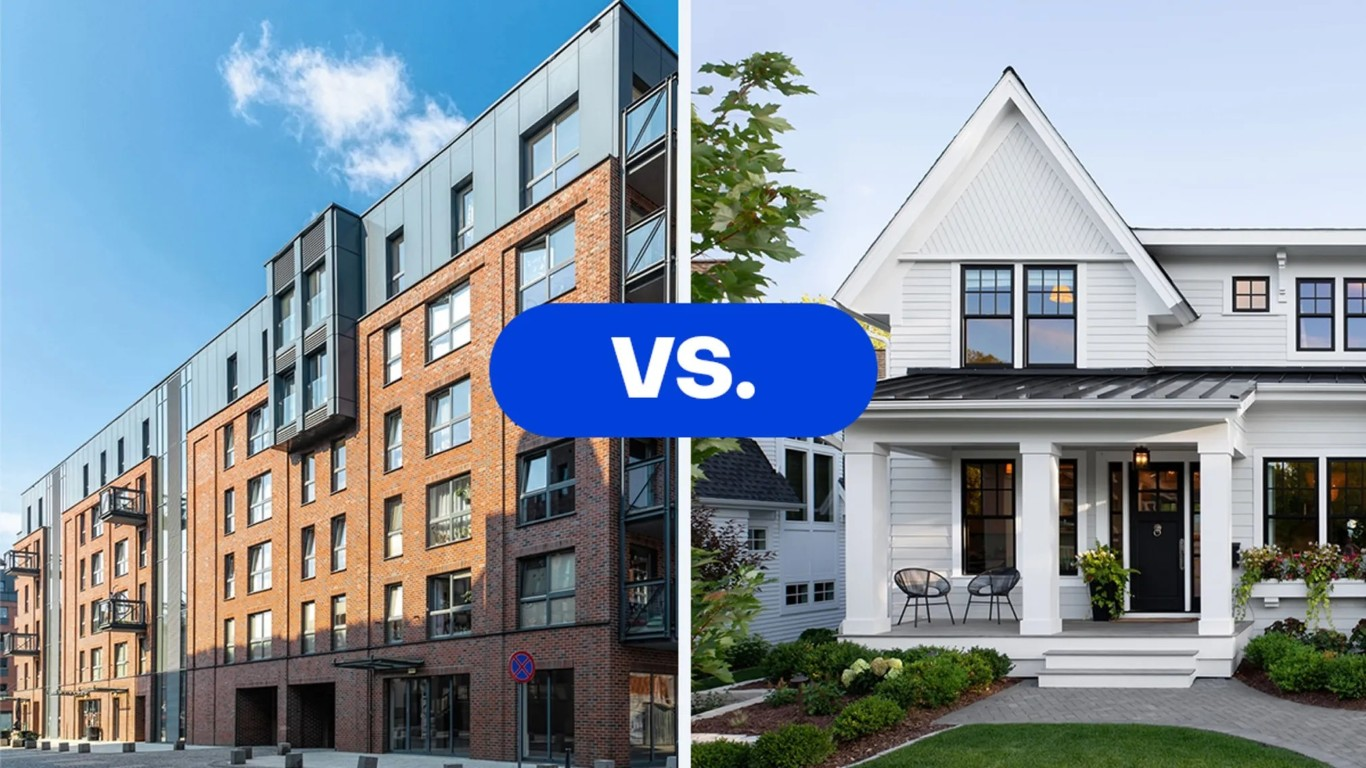
Rent or Buy
The decision between renting and buying a home isn’t a universal answer—it depends entirely on your financial situation, lifestyle, and long-term plans. While buying typically costs less over 30 years, renting offers flexibility and lower upfront costs. The real question isn’t which option is objectively “better,” but which aligns with where you are in life and where you’re headed.
The Upfront Cost Reality: Why Renting Wins Short-Term
If you need a place to live today and don’t have significant savings, renting is almost always the entry point. Buying requires a substantial down payment—money you may not have readily available. Renting requires a security deposit and first month’s rent, typically a fraction of what homeownership demands upfront.
This financial gap matters. If you’re building credit, recovering from a job loss, or saving for other goals, the short-term affordability of renting gives you breathing room. You can rent while establishing the financial foundation needed for homeownership later.
However, the monthly cost comparison isn’t straightforward. While current data shows a median mortgage payment of $2,040 versus $1,693 for rent nationally, this gap is narrowing. More importantly, these figures vary dramatically by region. In much of the Midwest and South, mortgage payments have dropped below rent costs, making homeownership genuinely more affordable month-to-month in those markets. If you’re considering buying, your geography matters as much as your finances.
The Hidden Advantage of Homeownership: Predictability and Equity
Once you own a home with a fixed-rate mortgage, your monthly payment is locked in. It won’t increase for 15 or 30 years. The same cannot be said for renters. Landlords can raise rent when leases renew, and in many markets, increases of 5–10% annually are common. Over a decade, this compounds significantly.
Beyond payment stability, homeownership builds equity—real ownership you can borrow against or recoup when you sell. This is the long-term advantage that makes buying cheaper than renting over 30 years, despite higher upfront costs. But here’s the catch: this only works if you actually invest the difference. If you rent and spend the money you would have put toward a down payment and mortgage on lifestyle expenses, you won’t come out ahead financially. Renters who want to match a homeowner’s financial position must treat their savings discipline seriously, investing the difference consistently over time.
Life Stage and Flexibility: Know If You’re Ready to Settle
Renting makes sense for people in transition. Career changes, relationship shifts, and uncertainty about where you want to live are all valid reasons to rent. You gain flexibility—the ability to move with minimal friction if your circumstances change. You also avoid exposure to local housing market downturns. If your area’s property values decline, renters aren’t affected; homeowners absorb the loss.
Conversely, if you have a stable job, a committed relationship, and you plan to stay in your area for at least 5–7 years, the math increasingly favors buying. The longer your timeline, the more time your equity has to accumulate and the more you benefit from locked-in mortgage payments while rent climbs around you. Given today’s mortgage rate environment, waiting for rates to drop further can end up costing more than buying now.
The control factor also matters emotionally and practically. Homeowners can renovate, paint, and personalize their space. Renters are subject to lease terms and landlord approval—limitations that frustrate some people and mean nothing to others. If autonomy over your living space matters to you, this isn’t a minor consideration.
The Financial Factors Beyond Monthly Payments
Buying introduces costs renters never face: property taxes, homeowner’s insurance, maintenance, and repairs. These aren’t optional. A roof replacement, HVAC failure, or plumbing emergency can cost thousands. Renters call their landlord; homeowners pay out of pocket. You also have no guarantee that property values will rise, interest rates may climb before you buy, and you’re exposed to local market conditions you can’t control.
Renters, by contrast, avoid property taxes entirely and typically have lower insurance and utility costs. Their only major variable is rent itself—predictable in the short term, uncertain long-term.
The deciding factor for many people is whether they can qualify and afford to buy. This requires not just a down payment but stable income, a reasonable debt-to-income ratio, and decent credit. If you’re rejected for a mortgage or can’t afford the monthly payment plus taxes, insurance, and maintenance, the decision is made for you—at least for now.
The Market Matters: Geography Changes Everything
National averages obscure the truth. In many Midwest and Southern markets, buying is now more affordable than renting month-to-month. In coastal cities and tech hubs, renting may be the only realistic option for years. Before deciding, research your specific market. Compare actual mortgage payments in your area against fair market rent for comparable properties. The answer in Denver looks completely different from the answer in San Francisco.
What This Means for You
Ask yourself: Am I staying here for at least 5 years? Do I have 10–20% saved for a down payment? Can I handle unexpected repair costs? Do I value control over my space and financial predictability? Am I interested in building long-term equity?
If you answered yes to most of these, and buying is affordable in your market, homeownership is likely worth it. If you’re in transition, uncertain about your location, or simply can’t afford to buy yet, renting is the rational choice—not a failure, but a practical step that aligns with your current reality.
The best housing decision is the one that matches your financial capacity, lifestyle needs, and timeline. For some, that’s owning. For others, it’s renting. Both can be financially sound if you approach them intentionally.